.png)
Glass Windows and Doors: The Simple Guide to Choosing the Right Glass
Product Summary and Technical Profile
Modern windows and doors do much more than let in light, they are high-tech architectural systems engineered to lock in comfort, block out heavy noise, and secure your property. Standard glass is brittle and dangerous, which is why modern structures rely on advanced glass engineering and thermal design. By understanding the mechanical components—from specialized frames to precision-sealed glass units, you can drastically lower your energy bills and build a highly secure, peaceful indoor living environment.

1. Frame: uPVC vs. Aluminum
The right frame material forms the structural backbone of your window system:
uPVC (Unplasticized Polyvinyl Chloride): Excellent for thermal insulation and budget-friendly. It won't rust, corrode, or flake, making it great for coastal areas, though it is slightly bulkier in profile.
Aluminum: Slimmer, sleek, and exceptionally strong. Modern high-end systems use Thermal Break Aluminum (inserting a tough nylon barrier between the inner and outer frames) to block heat transfer while supporting massive, minimalist glass panels.
2. Types of Glasses, Their Classification and Where to Use It
Architectural glass is classified into distinct categories based on how it is treated and combined. Choosing the right classification ensures your windows perform exactly how you need them to:
Tempered Safety Glass is the foundational building block for structural safety. Because it resists high impacts and crumbles safely, it is the best choice for high-traffic or low-level areas like balcony sliding doors, floor-to-ceiling windows, and bathroom shower screens where people might accidentally bump into the glass.
Laminated Security Glass is classified as a high-security option. It is made by sandwiching a tough, invisible plastic film between two sheets of glass. If a burglar hits it with a hammer, the glass will crack, but the fragments stay tightly glued to the inner plastic film instead of falling out. This makes it the ultimate choice for ground-floor windows, entry doors, glass railings, and overhead skylights where you want to prevent break-ins or falling glass.
Acoustic Laminated Glass is a specialized sub-category of laminated glass designed for soundproofing. It features a uniquely engineered acoustic plastic core that acts like a sponge for noise, physically dampening and breaking up harsh sound vibrations. It is the best option for bedroom or home office windows that face busy main streets, loud markets, or railway lines, transforming a chaotic exterior into a quiet room.
Low-E (Low-Emissivity) Glass is classified as an energy-saving glass. It features a microscopically thin, completely transparent metallic coating that acts like an invisible mirror. It allows bright, beautiful daylight to pass through normally, but reflects harsh solar heat away from your home and blocks the UV rays that fade your furniture. This is the absolute best choice for massive living room glass facades and west-facing windows that get baked by the afternoon sun.
3. Confusion of Tempered Glass or Toughened Glass
People often get confused by these terms, but they mean the exact same thing. Regular glass is fragile and highly dangerous because it breaks into large, razor-sharp shards. To fix this, manufacturers create tempered glass by putting a standard glass sheet through an intense heating process up to 600°C, followed by rapid, high-pressure cooling. This specialized thermal treatment alters the internal structure, making the glass five times stronger than regular glass. The best part is its safety profile: if it takes a massive impact, it instantly crumbles into tiny, blunt, pebble-like pieces that prevent severe cutting injuries.

4. Different Brands Available for Good Quality Glasses
When sourcing, look for processors using raw glass from world-renowned, certified float glass manufacturers to ensure perfect clarity and zero optical distortion:
Saint-Gobain: The global gold standard in high-performance architectural and energy-efficient glass.
Asahi India Glass (AIS): Highly renowned for premium soundproofing and extreme-durability safety profiles.
Glaston / Fuyao: Major international manufacturing giants offering exceptionally strong tempered and laminated structural options.
Schüco: A world-renowned German brand famous for top-tier, precision-engineered premium aluminum sliding systems and luxury minimalist frames.
Tostem: A leading Japanese brand highly trusted for its pre-engineered, ultra-durable, and sleek aluminum window solutions.
Fenesta: One of India's most popular and trusted choices, providing high-performance, weather-proof uPVC and aluminum window installations.
Torfenster: Renowned for producing European-standard uPVC and ultra-slim aluminum profiles that handle extreme weather and offer excellent thermal insulation.
Alumil: A major European brand (based in Greece) known for high-performance, minimalist, and energy-efficient aluminum window and patio door systems.
5. Which Gasket is Used for the Glasses and Why It Is Used
The gasket is the rubber stripping running along the edge of the glass inside the frame. High-performance windows strictly avoid cheap PVC and instead use EPDM (Ethylene Propylene Diene Monomer) or Santoprene TPV gaskets.
Why it is used: These industrial-grade materials survive decades of baking heat, freezing cold, and UV rays without cracking or shrinking. They create a completely airtight seal that stops rainwater from leaking inside and blocks wind whistling.
6. Tracks That Are Used
The bottom rail system determines how smoothly your heavy glass doors slide and open:
Sunken Flush Tracks: Recessed directly into the floor to remove tripping hazards, perfect for seamless indoor-outdoor transitions.
Multi-Track Systems: Triple or quadruple tracks that allow multiple glass panels to slide and stack neatly behind one another, opening up wide panoramic spaces.
Anti-Lift High Water-Drainage Tracks: Raised step-style tracks with built-in hidden drain valves. These force violent storm rains to drain outward instantly, preventing water from pooling indoors.
7. Thickness of Glass
Glass thickness must scale with the size of the window to handle wind pressure and support proper insulation:
Single Panes: Usually 4mm to 6mm thick for small bathroom or kitchen windows.
Heavy Doors & Partitions: Frameless doors or large panels use 10mm to 12mm thick tempered glass to maintain rigidity.
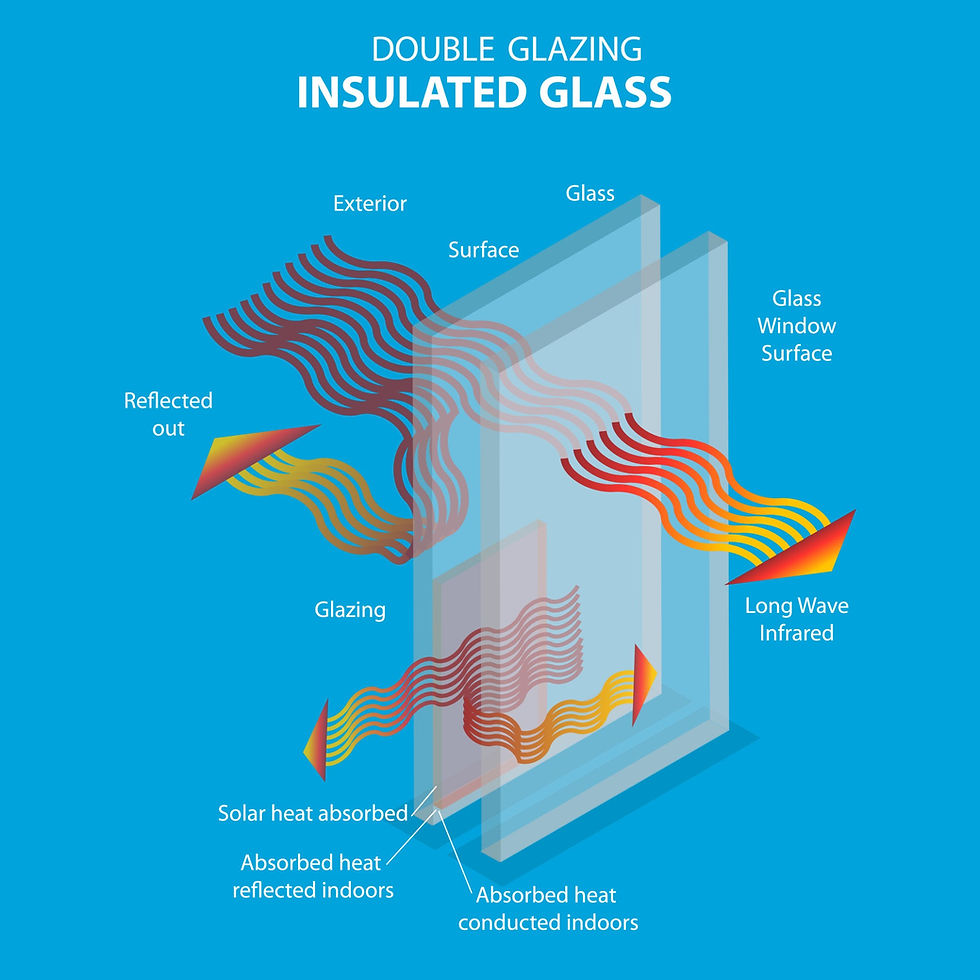
Double Glazing (Insulated Glass Units): Uses configurations like 5mm + 12Ar + 5mm up to 6mm + 27Ar + 6mm. This means two thick glass panes are separated by a wide 12mm to 27mm gap filled with insulating Argon gas to trap heat and noise. By utilizing advanced automated robotics, Chinese factories precision-assemble double glazing into diverse specifications, from a standard 5mm+12Ar+5mm setup to heavy-duty, maximum-insulation units like 6mm+27Ar+6mm.

Why Source Glass Windows and Doors From China?
Sourcing your doors and windows from China allows you to access premium, heavy-duty building technologies at direct-from-factory prices. Because Chinese manufacturing clusters operate on a massive global scale using automated robotics, they can customize complex glass configurations and premium hardware setups at a fraction of the cost found in Western markets. Direct sourcing gives you heavily certified, impact-tested, and completely weatherproof window systems tailored to your project without blowing your construction budget.
How Build91 Streamlines Your Sourcing Journey
Navigating international manufacturing, technical classifications, and custom glass configurations can feel overwhelming, and that is exactly where Build91 comes in. As your end-to-end supply chain partner, we bridge the gap between your architectural vision and China's most advanced manufacturing hubs. We don't just find suppliers; we handle factory verification, precise technical customization, rigorous quality control inspections, and all the complex cross-border logistics on your behalf. By taking the risk, stress, and guesswork out of the equation, Build91 ensures you receive world-class, fully certified glass and window systems delivered directly to your site, on time and completely within budget.
Frequently Asked Questions
Can double-glazed glass really reduce my electricity bills?
Yes. The sealed gas pocket between the panes acts as a heavy insulation barrier. It blocks outdoor summer heat from entering your air-conditioned rooms and traps warmth inside during winter, significantly lowering your HVAC run times.
What is the purpose of the Argon gas inside the window pack?
Argon is a dense, completely harmless, clear gas. Because it is much heavier than regular air, it slows down the movement of heat energy and sound vibrations traveling between the outdoor environment and the inside of your home.
Can I use regular standard glass for my large balcony sliding doors?
No, using standard glass for large sliding doors is highly unsafe and against modern building safety codes. Because balcony doors are high-traffic areas prone to accidental impacts, they must use tempered or laminated safety glass to prevent dangerous shards if a breakage occurs.
What causes a window frame to leak water during heavy rains, and how do proper tracks fix it?
Water leakage usually happens when cheap PVC gaskets crack or when standard tracks allow water to pool and overflow inward. High-performance window systems solve this by using weather-resistant EPDM gaskets paired with raised, step-style drainage tracks that force rainwater to flow outward instantly.


